
Tap Water Quality in the Czech Republic: What the Data Shows
Czech municipal water generally meets EU standards, but hardness levels vary considerably by region. Here is what residents in Prague, Brno and Ostrava are dealing with.
Read More
A practical look at water hardness, filtration technologies and reverse osmosis units for apartments and houses in the Czech Republic.
In-depth looks at filtration methods, water quality parameters and equipment choices relevant to Czech household conditions.
Czech municipal water generally meets EU standards, but hardness levels vary considerably by region. Here is what residents in Prague, Brno and Ostrava are dealing with.
Read More
Under-sink RO systems have become popular in Czech flats. This overview covers membrane stages, flow rates, waste water ratios and realistic maintenance expectations.
Read More
With Prague water hardness routinely above 20 °dH, many households weigh salt-based ion exchange softeners against whole-house carbon or sediment filters. A side-by-side look.
Read MoreResidential filtration in the Czech Republic typically falls into four categories: activated carbon block filters for taste and chlorine reduction, reverse osmosis units for dissolved solids, ion exchange softeners for hardness minerals, and mechanical sediment pre-filters.
The right combination depends on local water analysis, pipe age, and whether the priority is taste, appliance protection or mineral content. Municipal reports from PVK, BRVK and VaK Brno are publicly available and list hardness, nitrates, chlorides and microbiological parameters.
Check Czech Water Data
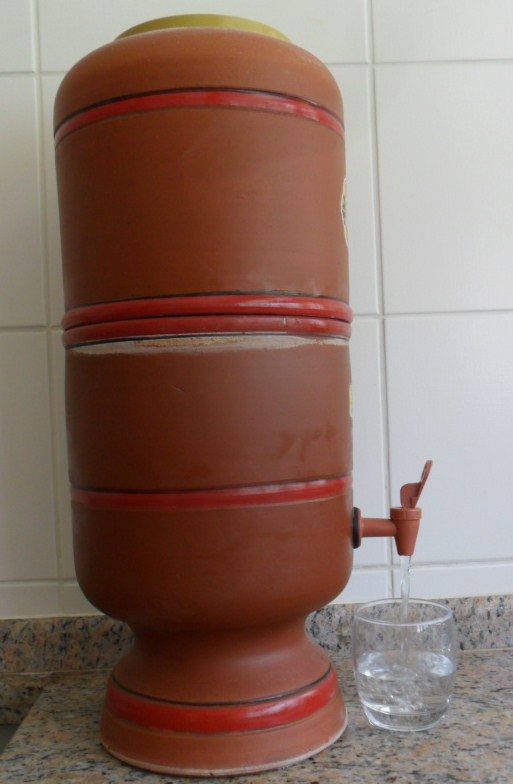
Ceramic and polypropylene cartridges catch suspended particles, rust and sediment down to 0.2–5 microns. Effective as a first stage, but do not remove dissolved minerals or chlorine.
Learn More
Carbon block and GAC cartridges adsorb chlorine, chloramines and organic compounds affecting taste and odour. Typical service life is 6–12 months depending on water usage and contaminant load.
Learn More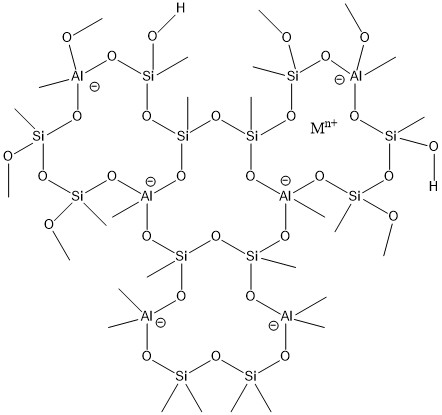
Salt-based ion exchange resins replace calcium and magnesium ions with sodium, reducing scale formation on boilers, coffee machines and shower heads. Regeneration with NaCl brine every 7–14 days.
Learn MoreQuestions about a specific topic, a correction or a contribution idea — use the form below.